Introduction to Men's Sexual Health
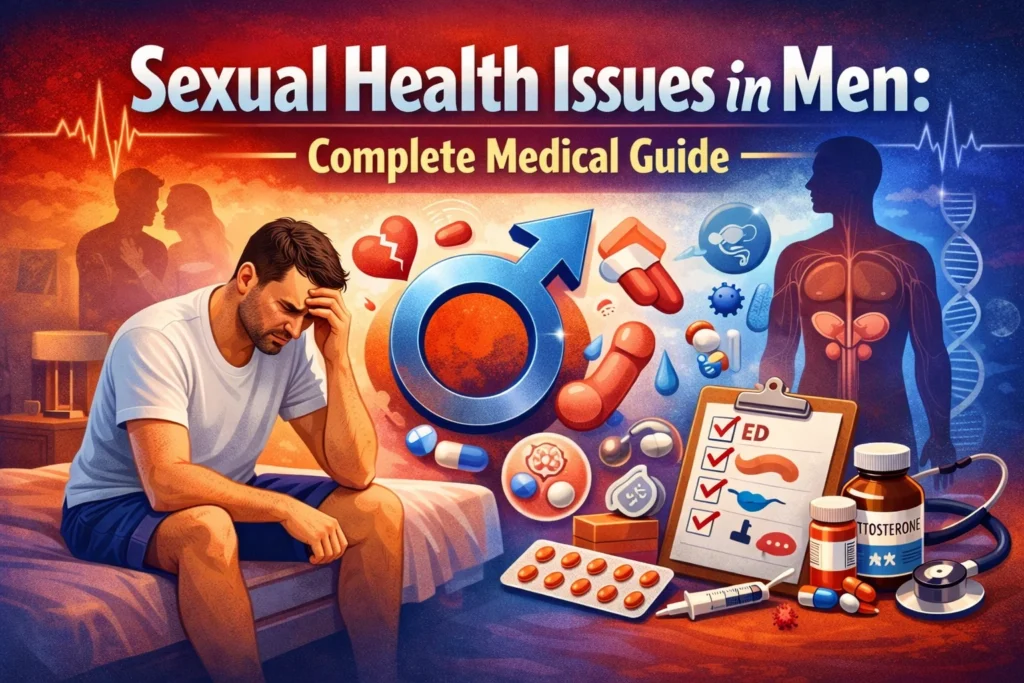
Sexual health Issues are an integral component of overall well-being and quality of life. Despite its importance, many men hesitate to discuss sexual health concerns due to stigma, embarrassment, or lack of awareness. This comprehensive medical guide addresses the most common Sexual Health Issues affecting men today, providing evidence-based information to help you understand, identify, and seek appropriate treatment.
According to recent medical studies, approximately 40-50% of men experience some form of sexual health issue during their lifetime. The good news is that most of these conditions are highly treatable with proper medical intervention, lifestyle modifications, and in some cases, psychological support.
Why Sexual Health Matters
Sexual health affects:
- Physical well-being and cardiovascular health
- Mental health and self-esteem
- Relationship satisfaction and intimacy
- Overall quality of life
- Reproductive capabilities
Understanding these issues is the first step toward addressing them effectively.
Common Sexual Health Issues in Men
Men can experience various sexual health challenges throughout their lives. Here are the most prevalent conditions:
1. Erectile Dysfunction (ED)
Difficulty achieving or maintaining an erection sufficient for sexual intercourse.
Prevalence: Affects approximately 30-40 million men globally, with incidence increasing with age.
2. Premature Ejaculation (PE)
Ejaculation that occurs sooner than desired, either before or shortly after penetration.
Prevalence: Most common male sexual dysfunction, affecting 20-30% of men across all age groups.
3. Low Libido
Reduced interest in sexual activity, also known as hypoactive sexual desire disorder.
Prevalence: Affects 15-20% of men, more common with increasing age.
4. Male Infertility
Inability to achieve pregnancy after one year of regular unprotected intercourse.
Prevalence: Male factors contribute to approximately 40-50% of all infertility cases.
5. Delayed Ejaculation
Persistent difficulty or inability to achieve ejaculation despite adequate sexual stimulation.
Prevalence: Relatively uncommon, affecting 1-4% of men.
6. Peyronie’s Disease
Development of fibrous scar tissue inside the penis, causing curved, painful erections.
Prevalence: Affects approximately 6-10% of men, typically between ages 40-70.
Erectile Dysfunction (ED): Causes, Symptoms, and Treatment
What is Erectile Dysfunction?
Erectile dysfunction is the consistent inability to achieve or maintain an erection firm enough for sexual intercourse. While occasional difficulty with erections is normal, persistent problems warrant medical attention.
Causes of Erectile Dysfunction
Physical Causes
- Cardiovascular Disease
- Atherosclerosis (clogged blood vessels)
- High blood pressure
- High cholesterol
- Heart disease
- Diabetes
- Damages nerves and blood vessels
- Affects 35-75% of diabetic men
- Neurological Disorders
- Multiple sclerosis
- Parkinson’s disease
- Spinal cord injuries
- Hormonal Imbalances
- Low testosterone (hypogonadism)
- Thyroid problems
- Pituitary gland disorders
- Medications
- Blood pressure medications
- Antidepressants
- Antihistamines
- Certain prostate medications
- Lifestyle Factors
- Obesity
- Smoking
- Excessive alcohol consumption
- Substance abuse
- Lack of exercise
Psychological Causes
- Performance anxiety
- Stress and work pressure
- Depression
- Relationship problems
- Past sexual trauma
Symptoms of ED
- Difficulty getting an erection
- Difficulty maintaining an erection during sexual activities
- Reduced sexual desire
- Premature or delayed ejaculation (sometimes associated)
Medical Diagnosis
A comprehensive evaluation typically includes:
- Detailed medical and sexual history
- Physical examination
- Blood tests (testosterone, glucose, lipid profile, thyroid function)
- Psychological assessment
- Specialized tests (nocturnal penile tumescence test, Doppler ultrasound)
Treatment Options for Erectile Dysfunction
1. Oral Medications (PDE5 Inhibitors)
- Sildenafil (Viagra): Effective for 4-5 hours
- Tadalafil (Cialis): Effective for up to 36 hours
- Vardenafil (Levitra): Effective for 4-5 hours
- Avanafil (Stendra): Fastest onset (15-30 minutes)
Success Rate: 60-70% effective in most men
2. Lifestyle Modifications
- Weight loss if overweight
- Regular exercise (150 minutes moderate activity per week)
- Smoking cessation
- Limiting alcohol intake
- Stress management
3. Psychological Counseling
- Cognitive behavioral therapy (CBT)
- Sex therapy
- Couples counseling
4. Hormone Therapy
- Testosterone replacement (if low testosterone is confirmed)
- Available as injections, gels, patches, or pellets
5. Vacuum Erection Devices
- Non-invasive mechanical option
- Creates vacuum to draw blood into penis
6. Penile Injections
- Alprostadil injections directly into penis
- Effective when oral medications fail
7. Surgical Options
- Penile implants (inflatable or semi-rigid)
- Vascular surgery (in rare cases)
Success Rates and Prognosis
With appropriate treatment, 70-85% of men with ED can achieve satisfactory erections. The key is identifying the underlying cause and choosing the right treatment approach.
Premature Ejaculation (PE): Understanding and Management
What is Premature Ejaculation?
Premature ejaculation is a condition where ejaculation occurs with minimal sexual stimulation, before or shortly after penetration, causing distress to the individual or couple. It is the most common sexual dysfunction in men under 40.
Types of Premature Ejaculation
1. Lifelong (Primary) PE
- Present since the first sexual experience
- Occurs with all or nearly all partners
- Ejaculation typically occurs within 1 minute
2. Acquired (Secondary) PE
- Develops after previous normal sexual function
- May have specific triggers
- Gradual or sudden onset
Causes of Premature Ejaculation
Biological Factors
- Abnormal hormone levels (especially thyroid or prolactin)
- Abnormal reflex activity of the ejaculatory system
- Inflammation or infection of the prostate or urethra
- Genetic predisposition
- Nerve damage (rare)
Psychological Factors
- Performance anxiety
- Stress and emotional problems
- Relationship issues
- Unrealistic expectations about sexual performance
- History of sexual repression
- Lack of confidence
Diagnosis
Diagnosis is primarily based on:
- Sexual history and detailed questionnaire
- Intravaginal ejaculatory latency time (IELT)
- Physical examination
- Laboratory tests (if secondary causes suspected)
Treatment Options for Premature Ejaculation
1. Behavioural Techniques
Stop-Start Technique:
- Stimulation is stopped when ejaculation feels imminent
- Resume after the sensation subsides
- Repeat the process to improve control
Squeeze Technique:
- The partner squeezes the end of the penis when ejaculation approaches
- Held for several seconds until the urge passes
- Resume sexual activity
Pelvic Floor Exercises:
- Kegel exercises to strengthen pelvic muscles
- Can improve ejaculatory control
2. Topical Anesthetic Creams and Sprays
- Lidocaine or prilocaine-based products
- Applied 20-30 minutes before intercourse
- Reduces penile sensitivity
- May require condom use to prevent partner numbness
3. Oral Medications
SSRIs (Selective Serotonin Reuptake Inhibitors):
- Dapoxetine (specifically approved for PE)
- Paroxetine (off-label use)
- Sertraline (off-label use)
- Fluoxetine (off-label use)
Effect: Delays ejaculation by 2-4 times baseline
Tramadol:
- Pain medication with ejaculation-delaying effects
- Used when SSRIs are ineffective
PDE5 Inhibitors:
- May help when combined with SSRIs
- Particularly useful if ED is also present
4. Counselling and Sex Therapy
- Addresses psychological components
- Improves communication with the partner
- Reduces performance anxiety
- Success rate: 60-70% when combined with other treatments
Prognosis
Most men with PE can significantly improve with treatment. Combination approaches (behavioural techniques + medication) typically provide the best results, with 70-80% of men reporting significant improvement.
Low Libido and Loss of Sexual Desire
Understanding Low Libido
Low libido, or reduced sexual desire, is a common concern affecting men of all ages. While sexual desire naturally fluctuates, persistent low libido can impact quality of life and relationships.
Causes of Low Libido
Medical Causes
- Hormonal Imbalances
- Low testosterone (most common)
- Thyroid disorders
- Elevated prolactin levels
- Chronic Diseases
- Diabetes
- Chronic kidney or liver disease
- Heart disease
- COPD
- Medications
- Antidepressants (especially SSRIs)
- Blood pressure medications
- Opioid pain medications
- Chemotherapy drugs
- Sleep Disorders
- Obstructive sleep apnea
- Chronic insomnia
Psychological Causes
- Depression
- Anxiety disorders
- Chronic stress
- Body image issues
- Past sexual trauma
- Low self-esteem
Lifestyle Factors
- Excessive alcohol consumption
- Drug abuse
- Obesity
- Lack of exercise
- Poor sleep quality
- Relationship problems
Symptoms
- Reduced interest in sexual activity
- Rare sexual thoughts or fantasies
- Concern about lack of sexual thoughts
- Relationship strain due to decreased intimacy
Diagnosis
A thorough evaluation includes:
- Complete medical history
- Relationship and psychological assessment
- Physical examination
- Blood tests:
- Total and free testosterone
- Prolactin
- Thyroid function (TSH, T3, T4)
- Complete blood count
- Comprehensive metabolic panel
Treatment Approaches
1. Testosterone Replacement Therapy
Indications: Confirmed low testosterone (below 300 ng/dL)
Options:
- Intramuscular injections (every 2-4 weeks)
- Transdermal gels (daily application)
- Patches (daily)
- Subcutaneous pellets (every 3-6 months)
Monitoring: Regular follow-up with blood tests and prostate examination
2. Addressing Underlying Medical Conditions
- Optimizing diabetes control
- Managing thyroid disorders
- Treating sleep apnea
- Reviewing and potentially adjusting medications
3. Psychological Therapy
- Individual counseling
- Cognitive behavioral therapy
- Sex therapy
- Couples therapy
4. Lifestyle Modifications
- Regular exercise (increases testosterone naturally)
- Stress reduction techniques
- Improving sleep hygiene
- Healthy diet
- Limiting alcohol
- Avoiding recreational drugs
5. Relationship Enhancement
- Open communication with partner
- Scheduling intimate time
- Exploring new aspects of sexuality
- Reducing performance pressure
Prognosis
With proper diagnosis and treatment, most men experience significant improvement in libido. Success depends on addressing underlying causes and may require combination therapy.
Low Sperm Count and Male Infertility
Understanding Male Infertility
Male infertility is defined as the inability to achieve pregnancy after one year of regular, unprotected intercourse. Male factors contribute to approximately 40-50% of all infertility cases.
What is Low Sperm Count?
Low sperm count (oligospermia) occurs when semen contains fewer sperm than normal. According to WHO guidelines:
- Normal: ≥15 million sperm per millilitre
- Low: <15 million sperm per millilitre
- Azoospermia: Complete absence of sperm
Causes of Low Sperm Count
Medical Causes
- Varicocele
- Swelling of veins draining the testicle
- Most common reversible cause
- Present in 40% of infertile men
- Infections
- Epididymitis or orchitis
- Sexually transmitted infections
- Past urinary tract infections
- Ejaculation Problems
- Retrograde ejaculation
- Absence of ejaculation
- Hormonal Imbalances
- Low testosterone
- Pituitary disorders
- Thyroid problems
- Genetic Abnormalities
- Klinefelter syndrome
- Y chromosome microdeletions
- Medications and Treatments
- Anabolic steroids
- Chemotherapy
- Radiation therapy
- Certain antibiotics
Lifestyle and Environmental Factors
- Excessive heat exposure (hot tubs, saunas, laptops on lap)
- Smoking and tobacco use
- Excessive alcohol consumption
- Drug abuse (marijuana, cocaine)
- Obesity
- Prolonged sitting
- Exposure to toxins and chemicals
- Chronic stress
Diagnosis
Semen Analysis: The primary diagnostic tool
- Sperm count
- Motility (movement)
- Morphology (shape)
- Volume
- pH level
Additional Tests:
- Hormone testing (testosterone, FSH, LH, prolactin)
- Genetic testing
- Scrotal ultrasound
- Post-ejaculation urinalysis (for retrograde ejaculation)
- Testicular biopsy (in select cases)
Treatment Options
1. Medical Management
For Varicocele:
- Surgical repair (varicocelectomy)
- Success rate: 50-70% improvement in sperm parameters
For Infections:
- Antibiotic therapy
- Anti-inflammatory medications
For Hormonal Issues:
- Hormone replacement or supplementation
- Clomiphene citrate (stimulates sperm production)
- hCG injections
2. Surgical Interventions
- Vasectomy reversal
- Sperm retrieval techniques (TESA, PESA, MESA)
- Correction of ejaculatory duct obstruction
3. Assisted Reproductive Technologies (ART)
Intrauterine Insemination (IUI):
- Suitable for mild to moderate sperm issues
- Success rate: 10-20% per cycle
In Vitro Fertilization (IVF):
- For moderate sperm issues
- Success rate: 40-50% per cycle
Intracytoplasmic Sperm Injection (ICSI):
- For severe sperm issues or failed IVF
- Single sperm injected directly into egg
- Success rate: 50-60% per cycle
4. Lifestyle Modifications
- Maintain healthy weight
- Exercise regularly (avoid excessive cycling)
- Quit smoking
- Limit alcohol
- Avoid recreational drugs
- Reduce stress
- Avoid excessive heat exposure
- Eat antioxidant-rich diet
- Consider supplements (zinc, vitamin C, vitamin E, folate, CoQ10)
Prognosis
Treatment success varies based on underlying cause:
- Varicocele repair: 50-70% improvement
- Hormonal treatment: 30-60% improvement
- Lifestyle changes: 20-40% improvement
- ART procedures: 40-60% success per attempt
Sexual Weakness and Fatigue
Understanding Sexual Weakness
Sexual weakness refers to a general decline in sexual performance, stamina, or satisfaction. It may manifest as:
- Reduced stamina during sexual activity
- Decreased erectile rigidity
- Lower energy levels affecting sexual performance
- Reduced sexual satisfaction
Causes
Physical Causes
- Cardiovascular deconditioning
- Chronic fatigue syndrome
- Anemia
- Vitamin and mineral deficiencies
- Diabetes
- Thyroid disorders
- Sleep disorders
- Chronic pain conditions
Lifestyle Factors
- Poor physical fitness
- Sedentary lifestyle
- Poor nutrition
- Inadequate sleep
- Excessive work stress
- Alcohol or substance abuse
Psychological Factors
- Performance anxiety
- Depression
- Chronic stress
- Relationship issues
Treatment and Management
1. Physical Conditioning
- Cardiovascular exercise (30-45 minutes, 5 days/week)
- Strength training (2-3 days/week)
- Pelvic floor exercises
- Yoga and flexibility training
2. Nutritional Support
- Balanced diet rich in:
- Lean proteins
- Whole grains
- Fruits and vegetables
- Healthy fats (omega-3)
Important nutrients:
- Zinc (oysters, beef, pumpkin seeds)
- L-arginine (nuts, fish, poultry)
- Vitamin D
- B-complex vitamins
- Magnesium
3. Lifestyle Optimization
- 7-9 hours quality sleep nightly
- Stress management techniques
- Limiting alcohol
- Avoiding smoking
- Maintaining healthy weight
4. Medical Intervention
- Treatment of underlying conditions
- Vitamin supplementation if deficient
- Medication review and adjustment
- Testosterone therapy if indicated
When to See a Sexologist
Warning Signs That Require Medical Attention
You should consult a sexologist or healthcare provider if you experience:
Immediate Consultation Required
- Painful erections or ejaculation
- Blood in semen or urine
- Sudden loss of sexual function
- Severe curvature of penis (Peyronie’s disease)
- Testicular pain or swelling
- Inability to ejaculate
Consultation Recommended Within 1-3 Months
- Erectile dysfunction persisting for 3+ months
- Premature ejaculation causing distress
- Significant decrease in sexual desire
- Difficulty achieving orgasm
- Pain during intercourse
- Trying to conceive without success for 12+ months
- Relationship problems due to sexual issues
What to Expect During Your Visit
Initial Consultation
- Medical History
- General health conditions
- Medications and supplements
- Sexual history
- Lifestyle factors
- Physical Examination
- General physical assessment
- Genital examination
- Prostate examination (if indicated)
- Diagnostic Tests
- Blood tests (hormones, glucose, lipids)
- Urinalysis
- Semen analysis (if fertility concern)
- Specialized tests as needed
- Treatment Plan
- Discussion of options
- Setting realistic goals
- Follow-up schedule
Preparing for Your Appointment
- List all symptoms and their duration
- Note all medications and supplements
- Prepare questions
- Consider bringing your partner
- Be honest and open about concerns
Treatment Options Available in Delhi
Comprehensive Treatment Modalities
1. Medical Management
- Prescription medications
- Hormone therapy
- Treatment of underlying conditions
2. Psychological Support
- Individual counseling
- Sex therapy
- Couples counseling
- Cognitive behavioral therapy
3. Advanced Therapies
- Shockwave therapy for ED
- Platelet-rich plasma (PRP) therapy
- Stem cell therapy (emerging)
4. Surgical Options
- Varicocele repair
- Penile implants
- Vasectomy reversal
5. Lifestyle Medicine
- Nutritional counseling
- Exercise programs
- Stress management
- Sleep optimization
Choosing the Right Treatment Center
Look for:
- Board-certified sexologists
- Comprehensive diagnostic facilities
- Multidisciplinary approach
- Privacy and confidentiality
- Evidence-based treatments
- Positive patient reviews
- Follow-up care
Prevention and Lifestyle Changes
Preventive Measures for Sexual Health
1. Regular Exercise
- Benefits:
- Improves blood flow
- Boosts testosterone
- Enhances mood
- Increases stamina
Recommendation: 150 minutes moderate or 75 minutes vigorous exercise weekly
2. Healthy Diet
- Mediterranean diet linked to better sexual function
- Include:
- Fruits and vegetables
- Whole grains
- Lean proteins
- Healthy fats
- Limit:
- Processed foods
- Excessive sugar
- Saturated fats
3. Maintain Healthy Weight
- Obesity linked to:
- Lower testosterone
- Erectile dysfunction
- Reduced fertility
- BMI goal: 18.5-24.9
4. Avoid Harmful Substances
- Quit smoking (improves circulation)
- Limit alcohol (2 drinks/day maximum)
- Avoid recreational drugs
5. Manage Stress
- Practice relaxation techniques
- Regular exercise
- Adequate sleep
- Work-life balance
- Consider meditation or yoga
6. Get Regular Check-ups
- Annual physical examination
- Monitor blood pressure
- Check cholesterol and glucose
- Testosterone screening (if symptoms present)
7. Practice Safe Sex
- Use protection
- Regular STI screening
- Maintain monogamous relationships
8. Prioritize Sleep
- 7-9 hours nightly
- Consistent sleep schedule
- Good sleep hygiene
9. Limit Environmental Toxins
- Avoid excessive heat to groin area
- Minimize exposure to pesticides
- Use protective equipment if exposed to chemicals
10. Maintain Healthy Relationships
- Open communication
- Address conflicts constructively
- Seek couples therapy if needed
Frequently Asked Questions (FAQ)
General Sexual Health
A: Sexual health issues can occur at any age, but certain conditions are more common at different life stages:
- 20s-30s: Premature ejaculation, performance anxiety
- 40s-50s: Erectile dysfunction begins to increase
- 60s and beyond: ED and low libido become more prevalent
However, with healthy lifestyle habits, many men maintain good sexual function well into their 70s and 80s.
A: Most sexual health issues are treatable and not permanent. With proper diagnosis and treatment, 70-85% of men experience significant improvement. The key is seeking help early and addressing underlying causes.
A: Yes, psychological stress is a common cause of erectile dysfunction, especially in younger men. Stress triggers the release of cortisol and adrenaline, which can interfere with sexual arousal and erection quality. Managing stress through relaxation techniques, exercise, and counseling often resolves stress-related ED.
Erectile Dysfunction
A: PDE5 inhibitors (Viagra, Cialis, Levitra) are effective for 60-70% of men with ED. They work best when combined with sexual stimulation and are most effective for ED caused by physical factors. They may be less effective for psychological causes alone.
A: ED medications are generally safe but not suitable for everyone. They should not be used by men taking nitrate medications for heart conditions, as this combination can cause dangerous blood pressure drops. Always consult a doctor before starting ED medications.
A: For mild to moderate ED, especially related to lifestyle factors, changes in diet, exercise, weight loss, smoking cessation, and stress reduction can significantly improve or even resolve ED in 20-40% of cases. However, moderate to severe ED typically requires medical treatment.
Premature Ejaculation
Q7: Is premature ejaculation curable?
A: Yes, premature ejaculation is highly treatable. Behavioural techniques, topical anaesthetics, and medications can help 70-80% of men achieve significant improvement. Many men learn to control ejaculation through a combination of these approaches.
Q8: How long should sex normally last?
A: The average intravaginal ejaculatory latency time (IELT) is 5-7 minutes. However, sexual satisfaction is not solely determined by duration. PE is diagnosed when ejaculation occurs within 1 minute and causes distress.
Q9: Do delay sprays really work?
A: Yes, topical anesthetic sprays and creams containing lidocaine or prilocaine can be effective for premature ejaculation. They reduce sensitivity and can extend ejaculatory time by 2-4 times. Best results occur when used 20-30 minutes before intercourse.
Infertility
Q10: How long should we try before seeking help for infertility?
A: If you’re under 35, seek evaluation after 12 months of regular unprotected intercourse without pregnancy. If you’re 35 or older, or have known risk factors (previous surgery, varicocele, undescended testicle), consult a doctor after 6 months.
Q11: Can low sperm count be improved naturally?
A: Yes, lifestyle modifications can improve sperm count in many cases:
- Weight loss if overweight
- Quitting smoking
- Reducing alcohol
- Taking antioxidant supplements
- Avoiding excessive heat
- Managing stress
Improvements typically take 2-3 months (the sperm production cycle).
Q12: Does laptop use affect sperm count?
A: Yes, prolonged laptop use on the lap can elevate scrotal temperature and potentially reduce sperm count. Use a laptop desk or table to avoid direct heat exposure to the testicles.
Conclusion
Sexual health is a vital component of overall well-being that deserves attention and care. The sexual health issues discussed in this guide—erectile dysfunction, premature ejaculation, low libido, male infertility, and others—are common, treatable conditions that affect millions of men worldwide.
Key Takeaways
- Sexual health problems are common and normal: You are not alone. These issues affect men of all ages and backgrounds.
- Most conditions are treatable: With proper medical care, 70-85% of men experience significant improvement.
- Early intervention improves outcomes: Don’t wait for problems to worsen. Seek help when you first notice concerning symptoms.
- Lifestyle matters: Diet, exercise, stress management, and avoiding harmful substances play crucial roles in sexual health.
- Open communication is essential: Discuss concerns with your partner and healthcare provider openly and honestly.
- Multiple treatment options exist: From medications to therapy to lifestyle changes, there are many paths to improvement.
- Professional help is available: Sexologists and specialized clinics offer confidential, comprehensive care.
Taking the Next Step
If you’re experiencing any sexual health concerns:
- Don’t suffer in silence or let embarrassment prevent you from seeking help
- Schedule a consultation with a qualified sexologist
- Be prepared to discuss your symptoms openly
- Follow through with recommended treatments and lifestyle changes
- Maintain regular follow-ups to monitor progress
Remember, seeking help for sexual health issues is a sign of strength and self-care. Your sexual health is an important part of your overall health and happiness. With the right support and treatment, most men can overcome sexual health challenges and enjoy satisfying, healthy sexual lives.
About the Author
This comprehensive guide has been developed based on current medical evidence and guidelines from leading sexual medicine organizations worldwide. For personalized medical advice and treatment, please consult with a board-certified sexologist or urologist.
References and Further Reading
- American Urological Association (AUA) Guidelines on Erectile Dysfunction
- International Society for Sexual Medicine (ISSM) Guidelines
- World Health Organization (WHO) – Sexual and Reproductive Health
- European Association of Urology (EAU) Guidelines on Male Sexual Dysfunction
- Journal of Sexual Medicine – Latest research and clinical studies
Disclaimer: This article is for informational purposes only and does not constitute medical advice. Always consult with a qualified healthcare professional for diagnosis and treatment of sexual health concerns.
Last Updated: February 2026
Call to Action
If you’re experiencing any sexual health concerns, don’t wait. Contact a qualified sexologist in Delhi today for a confidential consultation and take the first step toward reclaiming your sexual health and overall well-being.
📞 Schedule Your Confidential Consultation Today
🏥 Expert Sexual Health Care in Delhi
💪 Your Journey to Better Sexual Health Starts Here