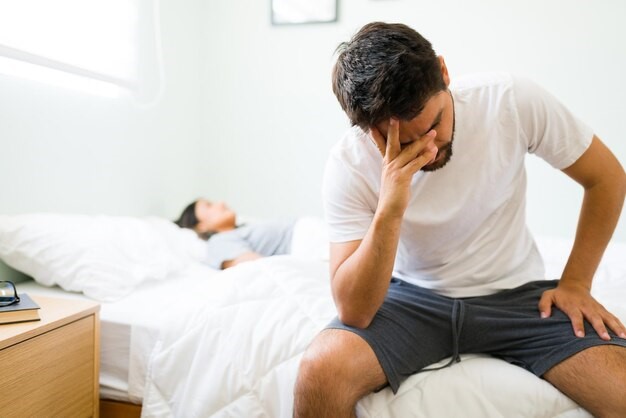

Introduction: Understanding Male Infertility
Are you and your partner struggling to conceive despite trying for over a year? You’re not alone. Male infertility affects approximately 7% of all men globally, contributing to 40-50% of all infertility cases. The inability to father a child can be emotionally devastating, but here’s the encouraging truth: most male infertility issues are treatable with the right approach.
As a leading male infertility specialist in Delhi, we’ve helped hundreds of couples realize their dream of parenthood through comprehensive Ayurvedic treatment combined with modern diagnostic techniques. This guide explores everything you need to know about male infertility, from causes and diagnosis to proven natural treatment solutions.
What is Male Infertility?
Male infertility refers to a man’s inability to cause pregnancy in a fertile female partner after one year of regular, unprotected sexual intercourse. For couples where the woman is over 35, this timeline shortens to six months.
Male fertility depends on several critical factors:
✅ Adequate sperm production in the testicles ✅ Sufficient sperm count in the ejaculate (at least 15 million per milliliter) ✅ Proper sperm motility (movement and swimming ability) ✅ Normal sperm morphology (shape and structure) ✅ Healthy sperm function (ability to penetrate and fertilize the egg)
Problems with any of these factors can result in infertility, requiring consultation with a male infertility specialist in Delhi.
Common Signs and Symptoms of Male Infertility
Many men with fertility issues have no obvious symptoms beyond the inability to conceive. However, some warning signs include:
Physical Symptoms:
- Small or firm testicles (may indicate low testosterone or production issues)
- Swelling or lumps in the scrotum (possible varicocele)
- Pain or discomfort in the testicular area
- Difficulty with ejaculation or reduced ejaculate volume
- Erectile dysfunction or reduced sexual desire
Hormonal Indicators:
- Reduced facial or body hair (low testosterone signs)
- Gynecomastia (breast tissue development)
- Low energy and fatigue
- Decreased muscle mass
Medical History Red Flags:
- Previous testicular injury or surgery
- Childhood mumps
- Chronic respiratory infections
- History of undescended testicles
If you’re experiencing any of these symptoms along with difficulty conceiving, consulting a male infertility specialist is crucial.
Major Causes of Male Infertility
Understanding the root cause of infertility is the first step toward effective treatment.
1. Sperm Production Disorders (Most Common)
Varicocele
The most common reversible cause of male infertility, varicocele is an enlargement of veins within the scrotum. It occurs in 15% of healthy men but is found in 40% of infertile men.
How it affects fertility: Varicocele increases scrotal temperature, disrupting normal sperm production and causing DNA damage to developing sperm.
Symptoms: Dull aching pain in testicles, visible enlarged veins, one testicle smaller than the other.
Hormonal Imbalances
Testosterone, FSH (Follicle Stimulating Hormone), LH (Luteinizing Hormone), and prolactin all play crucial roles in sperm production. Imbalances in any of these hormones can severely impact fertility.
Common causes: Pituitary disorders, thyroid problems, obesity, chronic stress, certain medications.
Infections
Past or current infections can interfere with sperm production or cause scarring that blocks sperm passage.
Common infections: Epididymitis, orchitis, sexually transmitted infections, prostatitis.
Genetic Factors
Chromosomal abnormalities and genetic mutations can affect sperm production and function.
Examples: Klinefelter syndrome, Y chromosome microdeletions, cystic fibrosis gene mutations.
2. Low Sperm Count (Oligospermia)
Low sperm count treatment is one of the most sought-after services at our clinic. Normal sperm count ranges from 15 million to over 200 million sperm per milliliter of semen. Counts below 15 million are considered low.
Severity levels:
- Mild oligospermia: 10-15 million/ml
- Moderate oligospermia: 5-10 million/ml
- Severe oligospermia: Less than 5 million/ml
Common causes of low sperm count:
- Varicocele
- Hormonal imbalances
- Chronic stress and anxiety
- Obesity and poor diet
- Excessive heat exposure (hot tubs, saunas, tight clothing)
- Smoking and alcohol consumption
- Drug use (marijuana, anabolic steroids)
- Environmental toxins and radiation exposure
- Certain medications
3. Poor Sperm Motility (Asthenozoospermia)
Sperm motility refers to the ability of sperm to move efficiently. Poor motility means sperm cannot swim properly to reach and fertilize the egg.
Normal motility: At least 40% of sperm should show forward movement.
Causes of poor motility:
- Oxidative stress and free radical damage
- Infections or inflammation
- Antisperm antibodies
- Structural defects in sperm tail
- Exposure to environmental toxins
4. Abnormal Sperm Morphology (Teratozoospermia)
Sperm morphology refers to the size and shape of sperm. Abnormally shaped sperm have difficulty reaching and penetrating the egg.
Normal morphology: At least 4% of sperm should have normal shape (WHO criteria).
Common abnormalities: Large or misshapen head, multiple heads, thick or thin midpiece, coiled or multiple tails.
5. Blockages and Obstructions
Physical blockages prevent sperm from being ejaculated even when production is normal.
Common causes:
- Previous vasectomy
- Inguinal hernia repairs
- Scrotal or testicular trauma
- Infections causing scarring
- Congenital absence of vas deferens
6. Lifestyle and Environmental Factors
Modern lifestyle significantly impacts male fertility:
Heat exposure: Prolonged laptop use on lap, hot baths, tight underwear, certain occupations (bakers, welders) increase scrotal temperature.
Obesity: Excess weight disrupts hormone balance and reduces sperm quality. Men with BMI over 30 have 50% higher chance of infertility.
Smoking: Reduces sperm count by 23% and significantly decreases motility.
Alcohol: Excessive consumption lowers testosterone and damages sperm DNA.
Stress: Chronic stress elevates cortisol, which suppresses testosterone and impairs sperm production.
Toxins: Pesticides, heavy metals (lead, mercury), industrial chemicals, and radiation damage reproductive cells.
Comprehensive Diagnostic Process
As an experienced male infertility specialist in Delhi, we follow a thorough diagnostic protocol:
1. Detailed Medical History
- Sexual history and practices
- Previous pregnancies with any partner
- Childhood illnesses (mumps, hernias)
- Surgeries or injuries to reproductive organs
- Medications and supplements
- Lifestyle factors (smoking, alcohol, drugs)
- Occupational exposures
2. Physical Examination
- General health assessment
- Examination of penis, scrotum, and testicles
- Checking for varicocele
- Prostate examination if indicated
- Assessment of secondary sexual characteristics
3. Semen Analysis (Critical Test)
The cornerstone of male fertility evaluation, analyzing multiple parameters:
Volume: Normal range 1.5-5 ml Sperm concentration: At least 15 million/ml Total sperm count: At least 39 million per ejaculate Motility: At least 40% showing movement; 32% with progressive motility Morphology: At least 4% normal-shaped sperm pH level: 7.2-8.0 White blood cells: Less than 1 million/ml (higher indicates infection) Liquefaction time: Should liquefy within 20-30 minutes
Important note: One abnormal result doesn’t confirm infertility. We typically recommend 2-3 tests over 2-3 months as sperm production varies.
4. Hormone Testing
Blood tests measuring:
- Testosterone: Primary male sex hormone
- FSH (Follicle Stimulating Hormone): Regulates sperm production
- LH (Luteinizing Hormone): Stimulates testosterone production
- Prolactin: Elevated levels indicate pituitary issues
- Estradiol: Elevated levels can suppress sperm production
- Thyroid hormones: Thyroid dysfunction affects fertility
5. Advanced Tests (When Needed)
Scrotal Ultrasound: Identifies varicocele, blockages, or structural abnormalities.
Genetic Testing: For severe oligospermia or azoospermia (no sperm), genetic tests identify chromosomal issues.
Antisperm Antibody Test: Determines if immune system is attacking sperm.
Post-ejaculation Urinalysis: Checks for retrograde ejaculation (semen entering bladder).
Testicular Biopsy: In cases of azoospermia, determines if sperm production is occurring.
Ayurvedic Perspective on Male Infertility
In Ayurveda, male infertility is understood as “Vandhyatva” or “Klaibya,” primarily resulting from disturbances in Shukra dhatu (reproductive tissue).
The Ayurvedic Understanding
Shukra Dhatu: The seventh and most refined tissue in the body, responsible for reproduction. When Shukra dhatu is deficient or impaired, fertility suffers.
Key Contributing Factors:
- Weak Agni (Digestive Fire): Poor digestion prevents proper nutrient absorption needed for healthy sperm production.
- Ama (Toxins) Accumulation: Undigested food matter creates toxins that circulate through the body, damaging reproductive tissues.
- Dosha Imbalances:
- Vata excess: Causes dryness, low quantity, and poor motility
- Pitta aggravation: Creates inflammation and damages sperm structure
- Kapha imbalance: Causes thick semen, blockages, and sluggish movement
- Depleted Ojas: Ojas represents vital essence and immunity. Chronic stress, poor sleep, overwork, and unhealthy lifestyle deplete Ojas, affecting all bodily functions including reproduction.
The Holistic Advantage
This comprehensive understanding allows our male infertility treatment approach to address:
- Root causes, not just symptoms
- Multiple contributing factors simultaneously
- Overall health alongside reproductive function
- Both physical and psychological aspects
Comprehensive Ayurvedic Treatment for Male Infertility
Our time-tested treatment protocol at Ashok Clinic combines ancient Ayurvedic wisdom with modern understanding, offering proven low sperm count treatment and overall fertility enhancement.
Phase 1: Detoxification (Shodhana)
Purpose: Remove accumulated toxins (ama) that impair reproductive function.
Methods:
- Herbal detoxifiers: Triphala, Trikatu to cleanse digestive system
- Panchakarma therapies (when indicated): Specialized cleansing procedures
- Dietary modifications: Light, easily digestible foods during detox phase
Duration: 1-2 weeks
Phase 2: Rejuvenation (Rasayana)
Purpose: Nourish and strengthen reproductive tissues, improve sperm parameters.
Powerful Fertility-Enhancing Herbs:
1. Ashwagandha (Withania somnifera)
The gold standard for male fertility treatment.
Scientific evidence:
- Increases sperm count by 167% in some studies
- Improves sperm motility by 57%
- Enhances semen volume by 53%
- Reduces oxidative stress markers
- Increases testosterone by 15-17%
- Reduces cortisol (stress hormone) by 27%
How we use it: 500-600mg of standardized extract twice daily, typically combined with milk or honey.
2. Gokshura (Tribulus terrestris)
Powerful testosterone-supporting herb used in Ayurveda for centuries.
Benefits for fertility:
- Supports natural testosterone production
- Improves sperm count and motility
- Enhances libido and sexual function
- Supports prostate health
- Improves overall energy
Dosage: 500-1000mg twice daily
3. Safed Musli (Chlorophytum borivilianum)
Called “white gold” for male reproductive health.
Research-backed benefits:
- Significantly increases sperm count
- Improves sperm motility
- Enhances testosterone levels
- Boosts sexual stamina
- Improves overall vitality
Dosage: 500-1000mg twice daily with milk
4. Kaunch Beej (Mucuna pruriens)
Natural L-DOPA source with remarkable fertility benefits.
Proven effects:
- Increases sperm concentration by 200% in some studies
- Enhances sperm motility dramatically
- Boosts dopamine and testosterone
- Improves mood and motivation
- Reduces stress and anxiety
Dosage: 500mg twice daily
5. Shilajit
Himalayan mineral-rich resin with 85+ minerals.
Fertility benefits:
- Increases total sperm count by 60%
- Improves sperm motility by 12%
- Boosts testosterone levels
- Enhances energy and stamina
- Provides essential trace minerals
Dosage: 300-500mg daily with milk
6. Shatavari (Asparagus racemosus)
While primarily known for female health, supports male fertility too.
Benefits:
- Balances reproductive hormones
- Nourishes Shukra dhatu
- Reduces stress and inflammation
- Improves overall sperm health
Dosage: 500mg twice daily
7. Vidarikand (Pueraria tuberosa)
Traditional strength and fertility builder.
Effects:
- Enhances semen quality and quantity
- Improves sexual vigor
- Builds physical strength
- Supports healthy weight gain
8. Other Supporting Herbs:
- Yashtimadhu (Licorice): Hormone balance
- Amalaki (Indian Gooseberry): Antioxidant protection
- Guduchi: Immune support and detoxification
- Bala: Strength and energy enhancement
Phase 3: Vajikarana (Aphrodisiac Therapy)
Specialized Ayurvedic therapy focusing specifically on reproductive health and vitality.
Components:
- Specific herbal formulations
- Rejuvenating foods and herbs
- Lifestyle optimization
- Sexual health practices
Our Customized Approach
We don’t use one-size-fits-all formulations. As experienced male infertility specialists, we create personalized protocols based on:
- Your specific semen analysis results
- Body constitution (Prakriti)
- Current dosha imbalances
- Underlying health conditions
- Age and lifestyle factors
- Treatment goals and timeline
Treatment Timeline and Expectations
Understanding the Sperm Cycle: Complete sperm production takes approximately 74 days (about 2.5 months). This means:
Month 1:
- Begin herbal treatment
- Implement dietary changes
- Start lifestyle modifications
- Herbs begin nourishing reproductive tissues
- Reduction in inflammation and oxidative stress
Months 2-3:
- New, healthier sperm cells developing
- Continued tissue nourishment
- Hormone balance improving
- Energy and vitality increasing
Month 4:
- Repeat semen analysis (critical milestone)
- Most patients see significant improvements:
- 40-60% increase in sperm count
- 30-50% improvement in motility
- Better morphology
- Increased volume
Months 4-6:
- Continued optimization
- Maximum fertility potential
- Many couples conceive during this period
- Ongoing support and monitoring
Success Rate: Over 70% of our patients show significant improvement in sperm parameters within 4-6 months of comprehensive treatment.
Essential Lifestyle Modifications
Low sperm count treatment requires more than just medication—lifestyle plays a crucial role.
1. Temperature Management
Why it matters: Testicles need to be 2-4°C cooler than body temperature for optimal sperm production.
Action steps:
- ❌ Avoid hot tubs, saunas, and very hot baths
- ❌ Don’t place laptops directly on lap (use lap desk)
- ✅ Wear loose, breathable cotton underwear (boxers better than briefs)
- ✅ Avoid tight jeans or pants
- ✅ Take breaks if working in hot environments
- ✅ Sleep in cool room
2. Optimal Weight Management
The connection: Obesity increases estrogen, reduces testosterone, and impairs sperm production.
Target: BMI 20-25 for optimal fertility
Benefits of achieving healthy weight:
- Improves sperm count by 40-50%
- Enhances motility
- Balances hormones
- Boosts energy and confidence
3. Diet for Fertility
Foods to Include Daily:
Antioxidant-rich foods (protect sperm from damage):
- Berries (blueberries, strawberries)
- Pomegranate juice
- Dark leafy greens (spinach, kale)
- Tomatoes (lycopene)
- Carrots, sweet potatoes
Zinc-rich foods (essential for sperm production):
- Pumpkin seeds (handful daily)
- Chickpeas and lentils
- Cashews and almonds
- Oysters
- Dark chocolate
Omega-3 fatty acids (improve sperm membrane health):
- Walnuts (5-6 daily)
- Flaxseeds (1 tablespoon ground)
- Fish (if non-vegetarian)
- Chia seeds
Folate sources (supports sperm DNA):
- Lentils and beans
- Asparagus
- Broccoli
- Eggs
Selenium-rich foods (antioxidant protection):
- Brazil nuts (2-3 daily)
- Sunflower seeds
- Mushrooms
Complete proteins:
- Eggs (2 daily)
- Milk and dairy products
- Chicken, fish (if non-vegetarian)
- Legumes and lentils
Ayurvedic superfoods:
- Ghee (clarified butter): 1-2 teaspoons daily
- Almonds: Soak 5-6 overnight, peel and eat in morning
- Dates: 2-3 daily with milk
- Figs: Excellent for reproductive health
- Coconut water: Hydrating and cooling
Foods to Avoid:
- ❌ Processed and junk foods
- ❌ Excessive caffeine (limit to 1-2 cups daily)
- ❌ Alcohol (severely damages sperm)
- ❌ Sugary beverages and foods
- ❌ Trans fats and fried foods
- ❌ Soy products in excess (phytoestrogens)
- ❌ Food in plastic containers (BPA exposure)
4. Exercise Guidelines
Moderate exercise boosts testosterone and improves overall health.
Recommended:
- 30-45 minutes of moderate activity daily
- Walking, swimming, cycling
- Strength training 2-3 times weekly
- Yoga for stress reduction
Avoid:
- ❌ Excessive endurance training (marathons, ultra-cycling)
- ❌ Anabolic steroids (severely damage fertility)
- ❌ Very tight cycling shorts for long duration
5. Stress Management
The connection: Chronic stress elevates cortisol, which suppresses testosterone and impairs sperm production.
Proven stress-reduction techniques:
Daily meditation: Even 10 minutes reduces cortisol by 20%
Pranayama (Breathing exercises):
- Anulom Vilom (Alternate Nostril Breathing): 10 minutes daily
- Bhramari (Bee Breath): Calms nervous system
- Deep abdominal breathing: Activates relaxation response
Yoga asanas for fertility:
- Paschimottanasana (Seated Forward Bend)
- Sarvangasana (Shoulder Stand)
- Halasana (Plow Pose)
- Bhujangasana (Cobra Pose)
Quality sleep: 7-8 hours nightly is non-negotiable
Work-life balance: Set boundaries, take breaks, pursue hobbies
6. Eliminate Toxins
Quit smoking immediately: Reduces sperm count by 23% and damages DNA
Limit alcohol: No more than 2 drinks weekly during treatment
Avoid drug use: Marijuana reduces sperm count and motility by 30-40%
Minimize chemical exposure:
- Choose organic foods when possible
- Avoid pesticides
- Use natural cleaning products
- Limit plastic use (especially heated plastics)
7. Sexual Activity Optimization
Frequency: Every 2-3 days maintains optimal sperm freshness and count
Timing: Track ovulation and time intercourse during fertile window
Avoid: Long abstinence (reduces motility) or daily ejaculation (may reduce count)
When to Consider Additional Options
As honest male infertility specialists in Delhi, we believe in transparency. While Ayurvedic treatment helps most men, some situations may benefit from combined approaches:
Consider Assisted Reproduction When:
- Severe oligospermia (very low count) not responding to treatment
- Azoospermia (no sperm in ejaculate)
- Severe morphology issues (less than 1% normal forms)
- Complete blockages requiring surgery
- Female partner over 38 with diminishing ovarian reserve
- Genetic conditions affecting sperm production
- Time constraints (couple wants to conceive urgently)
We can coordinate care with fertility specialists when appropriate, combining Ayurvedic support with modern reproductive techniques for best outcomes.
The Partner Factor: A Team Approach
Male infertility treatment works best when both partners are involved:
For the Female Partner:
- Understanding the treatment process
- Supporting lifestyle changes
- Managing stress together
- Maintaining intimacy beyond conception focus
- Getting checked for female factors
- Participating in consultations when appropriate
Emotional Support:
Infertility is emotionally challenging. Our clinic provides:
- Individual counseling
- Couples counseling
- Support groups
- Stress management techniques
- Coping strategies
Why Choose Ashok Clinic for Male Infertility Treatment?
50+ Years of Specialized Experience
Three generations of doctors have refined our protocols based on thousands of successful cases. Our male infertility specialist in Delhi team brings unmatched expertise.
Comprehensive Approach
We address all aspects: physical, hormonal, lifestyle, and emotional—not just prescribe herbs.
Proven Results
Over 70% of patients show significant improvement in sperm parameters within 4-6 months.
Personalized Treatment
Every protocol is customized based on your specific test results, body type, and needs.
Complete Confidentiality
We understand the sensitive nature of fertility concerns. All consultations and treatments are strictly confidential.
Modern Diagnosis + Ancient Wisdom
We use contemporary diagnostic tools combined with time-tested Ayurvedic treatments for optimal results.
Transparent Communication
We provide honest assessments, realistic timelines, and clear explanations at every step.
Affordable Treatment
Comprehensive natural treatment is significantly more affordable than assisted reproduction, with no hidden costs.
Frequently Asked Questions
Most patients need 4-6 months of treatment for optimal results. Significant improvements often appear by month 4, as the sperm production cycle is 74 days.
Depends on the cause. If production is severely impaired or absent (non-obstructive azoospermia), treatment has limited success. If blockages prevent sperm delivery (obstructive azoospermia), combination of herbs and sometimes surgery can help.
When prescribed by qualified practitioners using quality herbs, side effects are minimal. Mild digestive upset may occur initially as body adjusts.
Once fertility parameters improve and conception occurs, most men maintain healthy sperm with good lifestyle habits. Periodic herbal support may be recommended.
Yes, herbs reduce inflammation and oxidative stress associated with varicocele. However, severe cases may need surgical correction combined with herbal treatment.
Costs vary based on individual needs and treatment duration. Initial consultation and first month's herbs typically range ₹3,000-5,000. We provide transparent pricing upfront.
Ayurvedic treatment improves sperm parameters, which increases IVF/IUI success rates. We can coordinate care with fertility clinics if needed.
Take the First Step Toward Fatherhood Today
Male infertility is not a life sentence. With comprehensive Ayurvedic male infertility treatment, most men can significantly improve their fertility parameters and realize their dream of fatherhood naturally.
Don’t let embarrassment or hopelessness prevent you from seeking help. Every week of delay is a missed opportunity. The sooner you begin treatment, the sooner you can hold your child.
Book Your Confidential Consultation
Contact Ashok Clinic – Leading Male Infertility Specialist in Delhi:
📞 Phone: [9811092140] 📱 WhatsApp: [9811092140] 📧 Email: [realashokclinic@gmail.com] 📍 Location: Near Pitampura Metro Station, Delhi
Clinic Hours: Monday to Saturday, 9:00 AM – 8:00 PM
What to Bring:
- Recent semen analysis reports (if available)
- Any previous test results
- List of medications you’re taking
- Questions and concerns
What to Expect:
- ✅ 30-45 minute confidential consultation
- ✅ Complete assessment and diagnosis
- ✅ Personalized treatment plan
- ✅ Clear explanation of costs and timelines
- ✅ Same-day treatment initiation possible
Special Offer: Mention this blog article during booking for priority appointment scheduling.
Start Your Fertility Journey Now
You deserve to experience fatherhood. With over 50 years of expertise in low sperm count treatment and male infertility treatment in Delhi, we’ve helped hundreds of couples start families.
Your path to parenthood begins with one decision: to take action today.
Book your consultation now and take the first step toward holding your child.