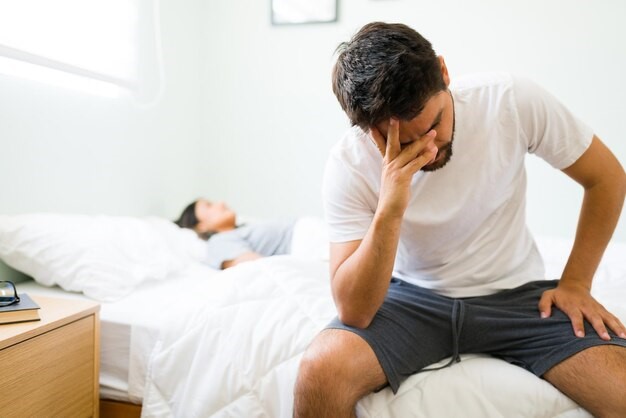
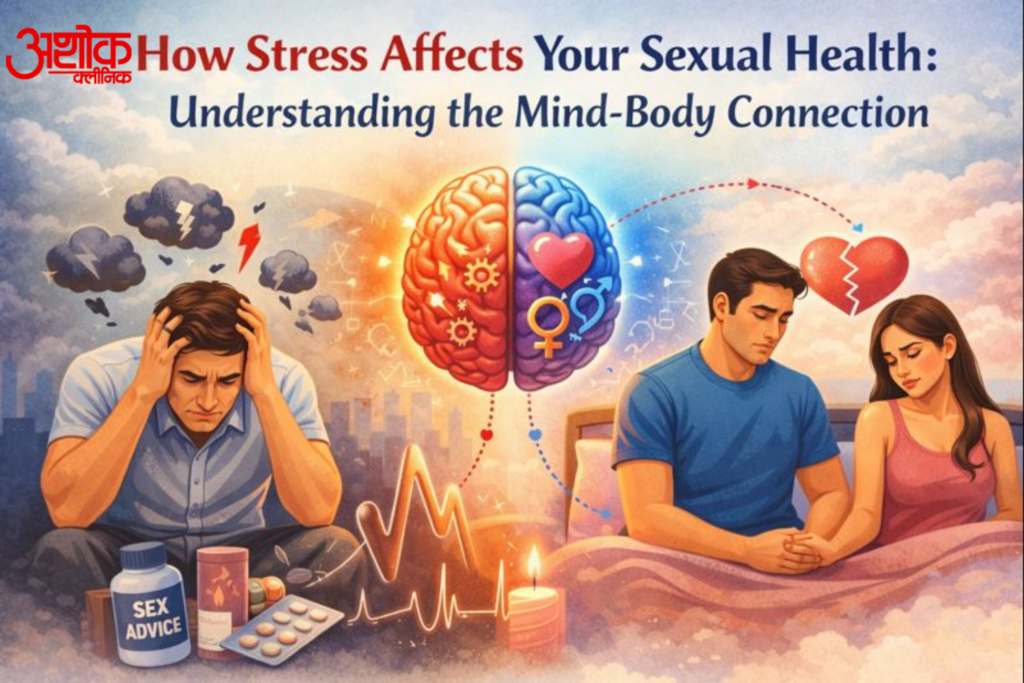
In today’s fast-paced world, stress has become an unwelcome companion in our daily lives. From demanding work schedules and financial pressures to relationship challenges and health concerns, modern life bombards us with stressors from all directions. While most people recognise that stress affects their mood, sleep, and general well-being, many don’t realise just how profoundly it impacts sexual health. Understanding this connection is crucial for anyone seeking to maintain a satisfying intimate life while navigating the pressures of contemporary living.
This comprehensive guide explores the complex relationship between stress and sexual health, revealing how psychological pressure translates into physical symptoms, and most importantly, what you can do to break the cycle and reclaim your sexual wellness.
The Biology of Stress: What Happens in Your Body
To understand how stress affects sexual health, we first need to comprehend what happens physiologically when you experience stress. Your body’s stress response is an ancient survival mechanism designed to help you respond to immediate threats. When you perceive danger—whether a physical threat or a work deadline—your hypothalamic-pituitary-adrenal (HPA) axis activates, triggering a cascade of hormonal changes.
Your adrenal glands release cortisol and adrenaline, hormones that prepare your body for “fight or flight” responses. These stress hormones increase heart rate, elevate blood pressure, sharpen alertness, and redirect blood flow toward major muscle groups and away from “non-essential” functions—including reproductive organs.
This response serves you well in acute, short-term situations. The problem arises when stress becomes chronic, as it has for countless people in modern society. When your stress response remains constantly activated, cortisol levels stay elevated, creating widespread disruption throughout your body’s systems, including those governing sexual function.
Chronically elevated cortisol directly suppresses the production of sex hormones, particularly testosterone in men and estrogen in women. It also interferes with gonadotropin-releasing hormone (GnRH), which regulates the entire reproductive hormone cascade. Essentially, your body prioritizes immediate survival over reproduction when under sustained stress—an evolutionary adaptation that becomes problematic in our current environment where “threats” are psychological rather than physical and constant rather than temporary.
How Stress Impacts Male Sexual Health
Erectile Dysfunction and Performance Issues
Stress is one of the leading psychological causes of erectile dysfunction. The mechanism is both physiological and psychological. Physically, stress hormones constrict blood vessels, reducing blood flow throughout the body, including to the penis. Since healthy erectile function depends entirely on adequate blood flow, this constriction directly impairs the ability to achieve and maintain erections.
Psychologically, stress creates mental preoccupation that prevents men from being present during intimate moments. The mind races with worries about work, finances, or other concerns, making it impossible to relax into a state of arousal. This distraction alone can prevent erections, but it also often creates performance anxiety—worry about sexual performance itself becomes an additional stressor, creating a vicious cycle where anxiety about erectile function actually causes the very problem feared.
Research consistently shows that men experiencing high stress levels report significantly higher rates of erectile difficulties. One study found that men with work-related stress were twice as likely to experience erectile dysfunction compared to men with lower stress levels.
Reduced Libido and Sexual Desire
Chronic stress profoundly dampens sexual desire through multiple pathways. The suppression of testosterone production directly reduces libido, as this hormone is crucial for sexual desire in men. Additionally, mental and physical exhaustion from sustained stress leaves men with neither the energy nor the interest in sexual activity.
Stress also affects neurotransmitters involved in desire and pleasure, particularly dopamine. When stressed, your brain prioritizes dealing with perceived threats over experiencing pleasure, resulting in decreased interest in activities that normally bring enjoyment, including sex.
Premature Ejaculation
While less commonly discussed, stress significantly contributes to premature ejaculation. Anxiety and tension increase nervous system arousal, which can trigger earlier ejaculation. The hypervigilance that accompanies chronic stress makes it difficult to recognize and control arousal levels during intimacy, leading to reduced ejaculatory control.
Performance anxiety about premature ejaculation creates the same destructive cycle seen with erectile dysfunction—worry about the problem exacerbates it, leading to more anxiety and worse outcomes.
Impact on Fertility
For men trying to conceive, stress creates additional challenges. Research demonstrates that chronic stress reduces sperm quality, including count, motility, and morphology. The mechanism involves both hormonal disruptions and oxidative stress caused by elevated cortisol levels. Studies show that men in high-stress occupations or experiencing major life stressors often have significantly reduced fertility parameters.
How Stress Impacts Female Sexual Health
Reduced Sexual Desire and Arousal
Women experience similar libido reductions under chronic stress. The suppression of sex hormones, combined with mental preoccupation and physical exhaustion, dramatically reduces sexual interest. Research indicates that women often experience this effect even more profoundly than men, partly because female sexual desire involves more complex psychological and emotional components that stress disrupts.
Arousal difficulties also increase under stress. Just as blood flow restriction affects male erections, it also impairs female genital engorgement and lubrication necessary for comfortable sexual activity. Women under chronic stress frequently report reduced vaginal lubrication, making intercourse uncomfortable or painful, which further decreases desire.
Painful Intercourse
Stress contributes to painful intercourse (dyspareunia) through several mechanisms. Reduced lubrication creates physical friction and discomfort. Additionally, stress causes muscle tension throughout the body, including pelvic floor muscles. This tension can make penetration painful and prevent relaxation necessary for comfortable intercourse.
The psychological component shouldn’t be underestimated—when stressed and anxious, women may unconsciously tense pelvic muscles in anticipation of discomfort, creating a self-fulfilling prophecy where anxiety about pain causes the tension that creates pain.
Menstrual Irregularities
Chronic stress disrupts menstrual cycles through its effects on reproductive hormones. Women under sustained stress often experience irregular periods, missed periods, or more severe premenstrual symptoms. These menstrual disruptions can further impact sexual desire and function, creating additional stress in a frustrating feedback loop.
Impact on Fertility
Female fertility is particularly vulnerable to stress effects. The hormonal disruptions caused by chronic cortisol elevation can interfere with ovulation, making conception difficult. Studies of women undergoing fertility treatments show that those with higher stress levels have lower success rates. Additionally, the stress of infertility itself creates more stress, potentially worsening the problem.
The Psychological Dimensions of Stress and Sexual Health
Beyond direct physiological effects, stress profoundly impacts sexual health through psychological pathways. Mental health and sexual health are intimately connected, and chronic stress frequently leads to anxiety and depression—both conditions strongly associated with sexual dysfunction.
Performance Anxiety
One of the most insidious effects of stress on sexual health is the development of performance anxiety. When stress causes sexual difficulties, worry about sexual performance becomes an additional stressor. This anxiety creates self-consciousness during intimate moments, making it impossible to relax and respond naturally to arousal.
Performance anxiety triggers the same stress response that created the original problem, ensuring continued dysfunction. Men worry they won’t achieve erections or will ejaculate too quickly. Women worry they won’t become aroused or reach orgasm. These worries guarantee the problems they fear by activating stress responses that prevent normal sexual function.
Relationship Stress
Sexual difficulties caused by stress often create relationship tension, which generates more stress and further impairs sexual function. Partners may misinterpret reduced sexual interest as lack of attraction or love, leading to hurt feelings, arguments, and emotional distance. This relationship stress compounds existing stressors, making the situation progressively worse.
Communication typically decreases under stress, precisely when couples most need open dialogue about what’s happening. The combination of sexual difficulties, reduced communication, and increased relationship tension creates perfect conditions for serious relationship problems.
Depression and Anxiety
Chronic stress frequently evolves into clinical anxiety or depression. These mental health conditions profoundly impact sexual function independent of the original stress. Depression commonly causes loss of interest in activities including sex, reduces energy levels, and can make achieving orgasm difficult or impossible. Many antidepressant medications further complicate matters by causing sexual side effects.
Anxiety disorders create persistent worry and tension that interfere with arousal, pleasure, and sexual satisfaction. The hypervigilance characteristic of anxiety prevents the relaxation necessary for healthy sexual responses.
Breaking the Cycle: Managing Stress for Better Sexual Health
Understanding how stress affects sexual health is the first step. The next is implementing strategies to manage stress effectively and restore sexual wellness.
Stress Reduction Techniques
Meditation and Mindfulness: Regular meditation practice significantly reduces cortisol levels and helps you develop awareness of stress responses. Even 10-15 minutes daily can produce measurable benefits. Mindfulness practices help you stay present during intimate moments rather than getting lost in worries, directly improving sexual experiences.
Deep Breathing Exercises: Controlled breathing activates your parasympathetic nervous system, which counteracts the stress response and promotes relaxation. Practice diaphragmatic breathing several times daily, especially before bed or intimate encounters. Breathe deeply into your belly for a count of four, hold for four, exhale for six, and pause for two. This simple technique can quickly reduce stress and anxiety.
Progressive Muscle Relaxation: This technique involves systematically tensing and relaxing muscle groups throughout your body, releasing physical tension that accumulates under stress. Regular practice increases body awareness and promotes overall relaxation, benefiting both stress management and sexual responsiveness.
Yoga: Yoga combines physical movement, breathing practices, and mindfulness, making it exceptionally effective for stress reduction. Specific poses improve circulation to reproductive organs, strengthen pelvic muscles, and increase body awareness—all beneficial for sexual health. Regular yoga practice is associated with improved sexual function in both men and women.
Lifestyle Modifications
Regular Exercise: Physical activity is one of the most powerful stress management tools. Exercise reduces cortisol levels, increases endorphins, improves circulation, enhances mood, and boosts self-confidence—all factors that support sexual health. Aim for at least 150 minutes of moderate aerobic activity weekly, plus strength training twice weekly.
Sleep Hygiene: Quality sleep is essential for stress management and sexual health. During sleep, your body produces sex hormones and repairs stress-related damage. Establish consistent sleep schedules, create sleep-friendly environments, avoid screens before bed, and prioritize getting seven to nine hours nightly.
Nutrition: Balanced nutrition supports your body’s stress response and sexual function. Emphasize whole foods, including plenty of fruits and vegetables, lean proteins, healthy fats, and whole grains. Limit caffeine and alcohol, which can worsen stress and impair sexual function. Stay well-hydrated throughout the day.
Time Management: Much modern stress stems from feeling overwhelmed by demands on our time. Learning to prioritize tasks, delegate when possible, set realistic goals, and say no to non-essential commitments reduces stress significantly. Remember that protecting time for rest, relationships, and activities you enjoy isn’t selfish—it’s essential for maintaining health and well-being.
Communication and Relationship Support
Open Dialogue with Partners: Discussing stress and its effects on your sexual relationship can feel vulnerable but is crucial for breaking destructive cycles. Share what you’re experiencing, express your feelings, and reassure your partner that reduced sexual interest reflects stress, not lack of attraction. Most partners respond with understanding and support when given the opportunity.
Couples Counseling: If stress has created significant relationship strain or sexual problems, professional counseling can help. Therapists specializing in sex therapy or relationship counseling provide tools for improving communication, managing stress together, and addressing sexual concerns effectively.
Reducing Performance Pressure: Agree with your partner to temporarily reduce focus on sexual performance. Engage in non-sexual physical intimacy like massage, cuddling, or sensual touching without expectation of arousal or intercourse. This removes performance pressure while maintaining connection, often naturally leading to improved sexual function over time.
Professional Support
Medical Evaluation: If stress-related sexual difficulties persist despite self-help efforts, consult healthcare providers specializing in sexual health. They can rule out underlying medical conditions, provide appropriate treatments, and offer personalized guidance for your specific situation.
Mental Health Support: If stress has evolved into anxiety or depression, professional mental health care is essential. Therapists can teach coping strategies, help identify stress sources, and provide treatment for mental health conditions affecting your sexual wellness.
Ayurvedic and Integrative Approaches: Many people find that integrative approaches combining conventional medicine with traditional systems like Ayurveda effectively address stress and sexual health. Adaptogenic herbs, stress-reducing practices, and holistic lifestyle modifications complement conventional treatments.
Creating Stress-Resistant Lifestyles
Beyond managing existing stress, building lifestyles that are inherently less stressful promotes long-term sexual health. This involves setting appropriate boundaries between work and personal life, cultivating supportive social connections, engaging regularly in enjoyable hobbies and activities, maintaining perspective on challenges, and regularly practicing self-care.
The Path Forward: Reclaiming Your Sexual Wellness
The relationship between stress and sexual health is clear and significant, but it’s not unchangeable. By understanding how stress affects your body and mind, implementing effective stress management strategies, and seeking appropriate support when needed, you can break the cycle and restore healthy sexual function.
Remember that sexual difficulties caused by stress are not failures or permanent conditions—they’re normal responses to abnormal levels of pressure. With patience, appropriate interventions, and commitment to reducing stress, most people experience substantial improvements in sexual health.
Your sexual wellness matters and deserves attention. Don’t let embarrassment or shame prevent you from addressing these concerns. Modern healthcare providers, particularly those specializing in sexual health, understand these connections and can provide compassionate, effective support for reclaiming your intimate life.
The journey from stress-impaired sexual function to vibrant sexual health begins with recognizing the problem, understanding its roots, and taking action. Whether through self-help strategies, lifestyle changes, or professional support, solutions exist. Your stress doesn’t have to control your sexual health—you have the power to break free and enjoy fulfilling intimate experiences once again.
Frequently Asked Questions (FAQs)
The good news is that stress-related sexual dysfunction is almost always reversible once stress levels decrease and you implement appropriate interventions. Stress doesn't cause permanent physical damage to sexual organs or systems. However, the longer sexual difficulties persist, the more likely they are to develop psychological components that require additional attention to resolve. For example, if stress-induced erectile dysfunction leads to severe performance anxiety, that anxiety may continue affecting function even after the original stressor resolves. Similarly, if stress creates relationship problems, those issues may persist independently. The key is addressing stress-related sexual difficulties promptly rather than hoping they'll resolve on their own. Early intervention prevents the development of secondary psychological issues and relationship problems that complicate recovery. With appropriate stress management, lifestyle modifications, and professional support when needed, virtually everyone can overcome stress-related sexual dysfunction. The timeline varies—some people notice improvements within weeks of reducing stress, while others require several months, particularly if anxiety or relationship issues have developed. Patience and consistent effort with stress management strategies produce the best outcomes.
Distinguishing between stress-related sexual dysfunction and problems caused by medical conditions can be challenging since they often overlap. Several factors can help you assess the likely cause. If sexual difficulties appeared during or shortly after a particularly stressful period and correlate with stress levels, stress is likely a significant factor. Stress-related dysfunction often varies in severity—sometimes function is normal, other times it's impaired, depending on current stress levels. Medical conditions typically cause more consistent problems. If you can achieve normal sexual function in some situations but not others (for example, erections during masturbation or morning erections but not with a partner), psychological factors including stress are likely primary contributors. However, sudden onset of sexual difficulties, especially in men over 40, warrants medical evaluation regardless of stress levels, as it may indicate cardiovascular disease, diabetes, or other conditions requiring treatment. Other symptoms like pain, bleeding, unusual discharge, or changes in urination patterns suggest medical problems needing immediate evaluation. The safest approach is consulting a sexual health specialist who can conduct thorough evaluation, potentially including physical examination and laboratory tests to rule out medical conditions. Many cases involve both stress and underlying medical factors—stress exacerbates problems related to mild medical conditions, or medical issues create stress that worsens sexual function. Comprehensive evaluation identifies all contributing factors and enables appropriate treatment addressing both medical and psychological components.
This is one of the most painful questions people face when partners' sexual interest decreases. The fear that reduced desire indicates relationship problems rather than stress is itself a significant source of anxiety. Several factors can help you assess the situation. Consider whether your partner is experiencing obvious stressors like demanding work situations, financial pressures, health concerns, or family problems. If so, stress is likely affecting their libido. Notice whether your partner seems exhausted, distracted, irritable, or showing other stress symptoms. If the only change is reduced sexual interest while other aspects of your relationship remain strong—they still express affection, spend time with you, and show interest in your life—stress is probably the issue rather than relationship problems. However, if emotional distance, reduced communication, less physical affection, or other relationship changes accompany decreased sexual interest, relationship issues may be contributing. The single most important step is open, non-accusatory communication. Choose a calm moment outside the bedroom to express your observations and feelings. Use "I" statements like "I've noticed you seem stressed lately and our intimate time has decreased. I'm wondering how I can support you" rather than accusatory statements like "You never want sex anymore." Most partners appreciate this concern and openness, responding with honest explanations about stress affecting their desire. Their response tells you a lot—if they seem relieved to discuss it and explain stressors affecting them, you have your answer. If they're defensive, dismissive, or unwilling to discuss it, relationship issues may be present requiring couples counseling. Remember that decreased sexual desire due to stress reflects nothing about attraction or love—it's a physiological response to pressure, not a relationship statement.
Several natural supplements and remedies show promise for addressing both stress and sexual function, though they work best as part of comprehensive approaches including lifestyle modifications. Adaptogenic herbs are particularly valuable since they address both stress and sexual health simultaneously. Ashwagandha is among the most researched adaptogens, with clinical studies demonstrating it reduces cortisol levels, improves stress resilience, and enhances sexual function by supporting testosterone production. Rhodiola rosea is another powerful adaptogen that combats fatigue, improves mental clarity under stress, and supports sexual function. Holy basil (Tulsi) reduces stress and anxiety while supporting overall vitality. Maca root has traditional use for enhancing libido and sexual function while also supporting stress resilience and energy. L-theanine, an amino acid found in green tea, promotes relaxation without sedation and works synergistically with caffeine to improve focus while reducing stress. Magnesium is often called "nature's relaxation mineral" since it's essential for stress management, sleep quality, and hundreds of bodily processes including sexual function. Many people are deficient in magnesium, and supplementation can significantly improve stress symptoms and overall health. Omega-3 fatty acids found in fish oil support brain health, reduce inflammation associated with chronic stress, and improve mood. B-complex vitamins support stress resilience since stress depletes B vitamins, which are essential for energy production and nervous system function. When considering supplements, quality matters significantly. Choose reputable brands that provide third-party testing for purity and potency. Start with recommended doses and allow adequate time for effects to develop—most natural remedies require 4-8 weeks of consistent use. Always consult healthcare providers before starting supplements, especially if you take medications, have health conditions, or are pregnant or nursing. Supplements work best alongside stress management techniques, healthy lifestyle practices, and addressing underlying stress sources rather than as standalone solutions.
The timeline for sexual function improvement after implementing stress management varies considerably based on several factors. The duration and severity of stress exposure, the specific sexual issues experienced, whether secondary psychological problems like performance anxiety or relationship problems have developed, your overall health status, and consistency with stress management efforts all influence recovery speed. Generally, if you're consistently practicing effective stress management techniques, you may notice initial improvements within 2-4 weeks. This might include feeling more relaxed, sleeping better, having more energy, or experiencing increased sexual thoughts and interest. More substantial improvements in sexual function typically manifest after 6-8 weeks of consistent stress management. This timeline allows for hormonal rebalancing, reduction of chronic cortisol elevation, and breaking of established anxiety patterns. If performance anxiety or relationship problems have developed alongside stress, full recovery may require 8-12 weeks or longer, especially if you're working with therapists or counselors to address these secondary issues. Some people experience dramatic improvements quickly, while others require several months for full recovery. This variability is normal and doesn't indicate failure—bodies and minds heal at different rates. Several factors can accelerate improvement. Implementing multiple stress management strategies simultaneously (meditation, exercise, better sleep, improved communication) typically produces faster results than relying on single interventions. Addressing major stress sources when possible creates space for healing. Seeking professional guidance provides personalized strategies and monitors progress. Maintaining patience and avoiding self-criticism is crucial—worrying about how fast you're improving creates additional stress that slows recovery. Celebrate small improvements rather than focusing on remaining challenges. If you've consistently practiced comprehensive stress management for 12 weeks without noticeable sexual health improvement, consult healthcare providers. This may indicate underlying medical factors requiring treatment or suggest the need for more intensive interventions like therapy or medical treatments.
Struggling with stress affecting your intimate life? Professional support can help you break the cycle and restore sexual wellness. Consult experienced healthcare providers who understand the mind-body connection and can provide comprehensive treatment addressing both stress and sexual health. Your journey to reclaiming your intimate wellness begins with reaching out for the compassionate, expert care you deserve.