
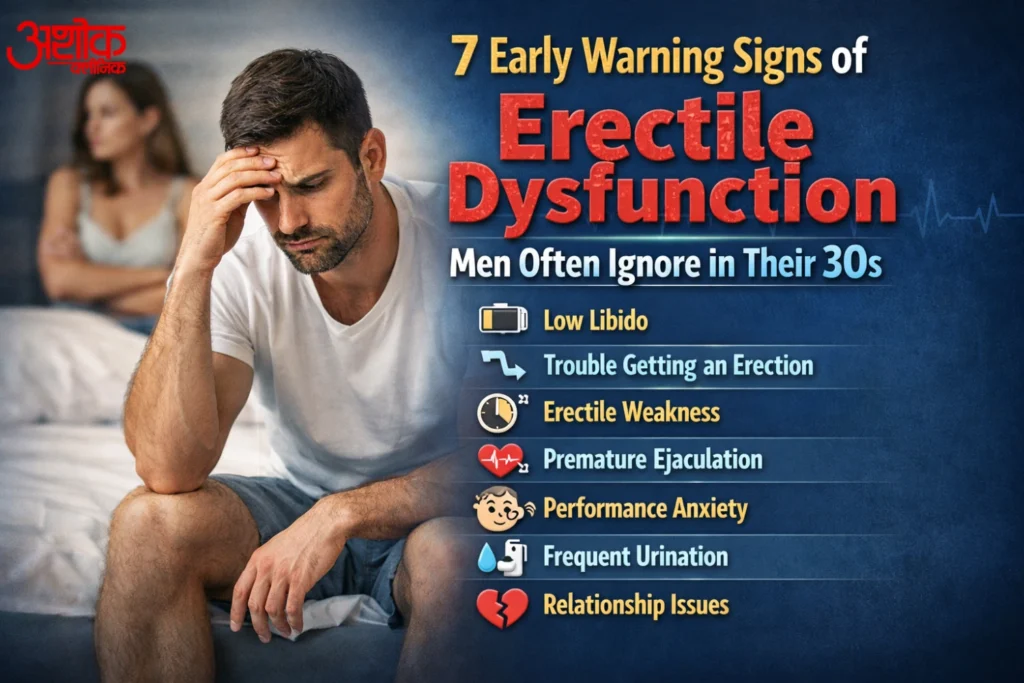
When most men think about erectile dysfunction (ED), they picture it as something that only affects older men in their 50s or 60s. However, the reality is quite different. At Ashok Clinic in Pitampura, Delhi, we’ve seen a concerning trend: more men in their 30s are experiencing early warning signs of Erectile Dysfunction, yet most ignore them until the problem becomes severe.
The good news? When caught early, Erectile Dysfunction Men is often reversible with the right treatment approach. Let’s explore the seven warning signs you should never ignore.
Why Are Men in Their 30s Experiencing ED?
Before we dive into the warning signs, it’s important to understand why erectile dysfunction is becoming more common in younger men. Modern lifestyle factors play a massive role:
- High-stress corporate jobs and work pressure
- Sedentary lifestyle with minimal physical activity
- Poor sleep patterns and irregular schedules
- Excessive screen time and digital addiction
- Unhealthy eating habits and processed foods
- Relationship stress and performance anxiety
According to recent medical studies, approximately 26% of men under 40 now experience some form of erectile dysfunction. In Delhi and major Indian cities, this number appears even higher due to urban lifestyle factors.
The 7 Early Warning Signs You Shouldn't Ignore
1. Difficulty Achieving Erection Despite Strong Desire
What it looks like: You feel sexually aroused and mentally ready, but your body isn’t responding the way it used to. This happens occasionally, not just once.
Why it matters: This is often the very first sign that something is affecting your vascular health or hormone levels. Many men dismiss this as “just stress” or “tiredness,” but it’s your body sending an important signal.
What causes it: Reduced blood flow to the penis, early hormonal imbalances, or psychological factors like anxiety beginning to affect physical performance.
Action to take: Don’t wait for it to become a pattern. Track when this happens (after drinking alcohol? during stressful work weeks?) and consult a sexologist if it occurs more than 3-4 times in a month.
2. Erections That Don’t Last Long Enough
What it looks like: You can achieve an erection initially, but it becomes soft or disappears before or during intercourse. This is different from premature ejaculation.
Why it matters: This indicates that while blood flow to the penis might be adequate initially, there’s difficulty maintaining it. This often points to early vascular issues or venous leak problems.
What causes it: Weak pelvic floor muscles, early cardiovascular issues, diabetes in its early stages, or chronic stress affecting blood vessel function.
Action to take: This is a clear medical sign that shouldn’t be ignored. Get your blood sugar levels, cholesterol, and testosterone checked. Pelvic floor exercises can help, but professional guidance is essential.
3. Reduced Morning Erections (or Complete Absence)
What it looks like: You used to wake up with erections regularly, but now they’re rare or non-existent. Many men don’t even notice this change until they think about it.
Why it matters: Morning erections (nocturnal penile tumescence) are actually a health indicator. Healthy men typically experience 3-5 erections during sleep. A significant decrease often signals hormonal or vascular problems, not just psychological issues.
What causes it: Low testosterone levels, poor sleep quality affecting REM cycles, sleep apnea, or early cardiovascular disease.
Action to take: Keep a simple morning diary for 2 weeks. If you notice morning erections less than 3-4 times per week, it’s time to get your testosterone and overall health evaluated.
4. Decreased Penis Firmness During Erection
What it looks like: Your erections feel less firm or rigid than they used to be, even if they’re adequate for intercourse. You might notice it takes more stimulation to maintain firmness.
Why it matters: Erection firmness is graded medically from 1-4, with 4 being fully rigid. Dropping from a 4 to a 3 or 2 is an early warning sign that blood flow or tissue health is compromised.
What causes it: Endothelial dysfunction (damage to blood vessel lining), early atherosclerosis, smoking, or chronic inflammation affecting penile blood vessels.
Action to take: This is often one of the earliest signs of cardiovascular disease in men. Consider it a gift—your penis is warning you about potential heart problems years before they become serious. Get a complete cardiovascular checkup, including lipid profile and ECG.
5. Noticeable Decrease in Sexual Desire or Libido
What it looks like: Sex just doesn’t seem as appealing as it once did. You’re not initiating intimacy as often, and when opportunities arise, you feel indifferent rather than excited.
Why it matters: While low libido and ED are different issues, they often occur together. Low testosterone doesn’t just affect desire—it also impacts erectile function, energy levels, and overall vitality.
What causes it: Low testosterone (very common in stressed, sleep-deprived men in their 30s), depression, chronic stress, certain medications, or thyroid disorders.
Action to take: Get a comprehensive hormone panel including total testosterone, free testosterone, LH, FSH, and thyroid function. Many men are surprised to find their testosterone levels are significantly below optimal ranges.
6. Performance Anxiety That’s Getting Worse
What it looks like: You’re increasingly worried about your sexual performance in intimate situations. This anxiety might cause physical symptoms like difficulty achieving or maintaining erections, which then creates a vicious cycle.
Why it matters: While performance anxiety is psychological, it creates real physical effects through stress hormones like cortisol and adrenaline, which constrict blood vessels and inhibit erections.
What causes it: Previous erectile difficulties (even minor ones), creating fear of failure, relationship stress, work pressure spilling into personal life, or unrealistic expectations from the media.
Action to take: This responds very well to counselling combined with relaxation techniques. Don’t let shame prevent you from seeking help—performance anxiety is extremely common and highly treatable when addressed early.
7. Erections Are Fine Alone, But Problematic With Partner
What it looks like: You have no trouble achieving strong erections during masturbation or when alone, but struggle during partnered sexual activity.
Why it matters: This pattern strongly suggests the issue is primarily psychological rather than physical, though physical factors can still play a supporting role. It indicates relationship dynamics, pressure, or anxiety specific to partnered intimacy.
What causes it: Relationship conflicts, communication issues, pressure to perform, unresolved emotional issues, or past negative sexual experiences affecting present situations.
Action to take: This situation often benefits most from couples counselling or sex therapy combined witha medical evaluation. Both partners working together yield the best results.
Why Men in Their 30s Ignore These Signs
Despite these clear warning signs, many young men delay seeking help. Here’s why:
Embarrassment and Shame: There’s still a stigma around sexual health issues, especially for younger men who feel they’re “too young” for these problems.
Denial: “It’s just stress, it’ll get better when work slows down” is a common rationalisation that can delay treatment for years.
Lack of Awareness: Many men simply don’t know these are treatable medical conditions with multiple effective solutions.
Fear of Treatment: Misconceptions about treatment (thinking it only means lifelong medication) prevent many from seeking help.
Privacy Concerns: Worry about confidentiality, especially in smaller communities or among social circles.
The Real Consequences of Ignoring Early Signs
What many men don’t realize is that erectile dysfunction in your 30s can be an early warning system for more serious health problems:
Cardiovascular Disease: ED often precedes heart disease by 3-5 years. Your penis has smaller blood vessels than your heart, so they show damage first.
Diabetes: Many men discover they have pre-diabetes or diabetes only after seeking help for ED.
Hormonal Disorders: Undiagnosed low testosterone affects much more than sexual function—it impacts bone density, muscle mass, mood, and longevity.
Relationship Damage: Untreated ED creates emotional distance, communication breakdown, and relationship dissatisfaction that becomes harder to repair over time.
Mental Health Impact: Ongoing sexual difficulties without treatment often lead to depression, anxiety, and severely reduced self-esteem.
What You Should Do Right Now
If you’ve recognized two or more of these warning signs in yourself, here’s your action plan:
Immediate Steps (This Week):
- Start a health diary: Note when symptoms occur, potential triggers, stress levels, sleep quality, and alcohol consumption.
- Lifestyle audit: Honestly assess your exercise (or lack of it), diet quality, smoking/drinking habits, and sleep patterns.
- Stop self-blaming: ED in your 30s is usually a medical issue with clear causes and solutions. It’s not a personal failing.
Short-term Actions (This Month):
- Schedule a consultation: Visit a qualified sexologist or urologist who specializes in male sexual health. In Delhi, look for doctors with specific training in sexual medicine.
- Get tested: Request blood work including:
- Complete testosterone panel
- Blood sugar and HbA1c
- Lipid profile (cholesterol)
- Thyroid function
- Vitamin D levels
- Make one lifestyle change: Start with the easiest win—maybe it’s walking 30 minutes daily, cutting back alcohol, or improving sleep schedule.
Long-term Approach:
- Commit to treatment: Whether it’s medication, therapy, lifestyle changes, or Ayurvedic treatment, give it proper time to work (usually 3-6 months for full results).
- Open communication: If you’re in a relationship, involve your partner. Their support dramatically improves treatment outcomes.
- Regular follow-ups: Sexual health requires ongoing management, not just a one-time fix.
Treatment Options Available in Delhi
At Ashok Clinic and similar specialized centers in Delhi, multiple treatment approaches are available:
Modern Medical Treatments:
- PDE5 inhibitors (medications) for immediate symptom relief
- Hormone replacement therapy for low testosterone
- Psychological counseling and sex therapy
- Cardiovascular health optimization
Ayurvedic Approaches:
- Herbal formulations targeting root causes
- Panchakarma therapies for detoxification
- Rasayana (rejuvenation) treatments
- Dietary and lifestyle modifications based on individual constitution
Integrated Treatment: Many patients benefit most from combining modern medicine’s quick symptom relief with Ayurveda’s focus on long-term root cause resolution.
Success Stories (Anonymous)
Case 1: A 34-year-old IT professional from Pitampura noticed difficulty maintaining erections and reduced morning erections. Testing revealed low testosterone and pre-diabetes. After 4 months of lifestyle changes, medication, and Ayurvedic support, his testosterone normalised, blood sugar improved, and erectile function fully restored.
Case 2: A 32-year-old businessman struggled with performance anxiety after one episode of erectile difficulty. Six sessions of counselling combined with relaxation techniques completely resolved the issue without any medication needed.
Case 3: A 36-year-old with reduced libido and firmness discovered he had sleep apnea, causing low testosterone. Treating the sleep disorder restored his hormone levels and sexual function within 3 months.
The Bottom Line
Experiencing erectile dysfunction symptoms in your 30s is not normal, but it is common—and most importantly, it’s treatable. These early warning signs are actually opportunities to catch and correct problems before they become serious health issues.
Think of erectile dysfunction as your body’s check engine light. You wouldn’t ignore that in your car, so don’t ignore it in your body.
The men who do best are those who:
- Act quickly when they notice symptoms
- Seek professional help without shame
- Commit to comprehensive treatment
- Make sustainable lifestyle changes
- Stay patient through the recovery process
Take the Next Step
If you’re experiencing any of these warning signs, don’t wait for them to get worse. Early intervention almost always leads to better outcomes with less intensive treatment needed.
Schedule a confidential consultation at Ashok Clinic, Pitampura, Delhi. We specialise in treating sexual health concerns in men of all ages with a combination of modern medicine and Ayurvedic approaches.
📍 Location: Ashok Clinic, Pitampura, Delhi
📞 Contact: [+91 9811092149]
🌐 Website: www.ashokclinic.in
⏰ Confidential appointments available
Remember: Your sexual health is an important part of your overall health. Taking care of it now ensures a healthier, more confident future.
Disclaimer: This article is for educational purposes only and should not replace professional medical advice. Erectile dysfunction can have multiple causes requiring proper diagnosis and individualised treatment. Always consult a qualified healthcare provider for your specific situation.